
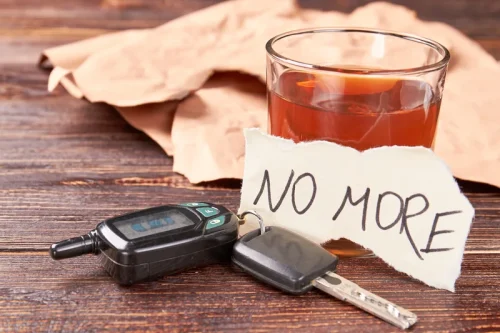
Some people may become more angry or aggressive when they drink, in part because of alcohol’s effects on brain chemistry. Alcoholics Anonymous is a decades-old treatment, but one that research shows is effective. A recent review found that Alcoholics Anonymous led to higher rates of abstinence from alcohol long term compared to other treatments. One of the key reasons, according to the data, is that people continue to participate for years after they have completed the 12-step program. AA is not for everyone and there are plenty of different treatment options, but it can be successful and meaningful for those who choose it. As anyone who has had even a glass of wine can attest, alcohol can have a noticeable influence on mood.
Understanding Alcoholic Rage Syndrome
- Take our short alcohol quiz to learn where you fall on the drinking spectrum and if you might benefit from quitting or cutting back on alcohol.
- It decreases inhibition and can increase stress hormones like cortisol, making some individuals more prone to anger and aggression when drinking.
- Road rage, domestic abuse, throwing or breaking objects, or other temper tantrums may be symptoms of intermittent explosive disorder.
Many people with “angry drunk” tendencies also end up on the wrong side of law. It’s important to note that these symptoms can differ and represent variables in severity and duration depending on the individual and the extent of alcohol abuse. Seeking professional help is crucial to address the underlying issues and facilitate the journey to recovery and healthier coping mechanisms. Although stressful, there are different strategies you can take to help navigate daily interactions when you’re around rageaholic behaviors. Though symptoms of anger are present during rageaholic behaviors, rageaholism is typically about how anger is expressed. Alcoholics, most often, are using alcohol to suppress having to feel the fullness of negative emotions.
- These symptoms may include sudden and intense anger, verbal or physical aggression, irritability, impulsivity, and difficulty controlling emotions.
- They provide a platform for individuals to learn about the risks and consequences of alcohol on emotions, such as anger and aggression.
- The inability to control anger when under the influence of alcohol can strain relationships, causing significant problems between partners, friends, and family members.
- Sometimes, drinking alcohol can cause people to become an “angry drunk”.
What is the Connection Between Alcohol and Violence?

Alcoholic Rage Syndrome is a phenomenon characterized by intense and unpredictable outbursts of anger and aggression in individuals who consume alcohol excessively. This condition, also referred to as “alcohol-induced rage,” is a deeply concerning issue that can have severe repercussions on both the affected individual and their relationships. Alcohol effects the prefrontal cortex of the brain, the region that moderates things like decision-making. What this means is that people whose personalities make them naturally quicker to become angry than others are even more likely to lose control under the influence of alcohol.

Managing Anger and Reducing Alcohol-Related Aggression

This wasn’t the case for those who didn’t regularly suppress their anger. Yes, some of you who get angry when you drink have anger-management issues. Yes, some people might have underlying psychological issues like stress or anxiety that become more pronounced when they drink. Alcohol lowers inhibitions, so these feelings can come out as anger or aggression. If you or a person you love is struggling with alcohol-related anger issues, book an appointment today. With over 2,000 recovered patients, Curednation is more than ready to help you or your loved ones with alcohol recovery.

- Now that we know what alcoholic rage syndrome is, can we do anything about it?
- They can also assist you with developing healthy strategies to work through your anger along with the coping skills to deal with anger when it surfaces.
- Alcohol impacts the prefrontal cortex, which is responsible for decision-making and impulse control.
- In most cases, the individual will pass out from intoxication and sleep off the effects of the alcohol, but in the morning may remember nothing about a specific period of time from the prior night.
If you are drinking so much that you black out, you have at least three problems. The second is that during a blackout you have no memory of your actions and those memories are lost forever. And third, during a blackout you can still function normally in many respects, this includes going to an alcoholic rage. You see them at bars, sporting events, weddings — basically anywhere alcohol is served. After a few beers or cocktails, an alcoholic rage overtakes them and they come out swinging, screaming or both. Blackouts are dangerous events, as the individual basically loses the ability to be cogent or aware of their actions.
Starting a Business When You Have Mental Health Challenges
The second is seeking professional help for your drinking and anger-management issues. If you’ve ever asked “why are some people angry drunks,” read on to find out more. And if you are seeing this pattern of behavior in yourself or a loved one, now is the time to reach out to our experts for help. They may not be aware of the newer and more convenient options that exist today. Excessive drinking has numerous impacts on your body and mind, ranging from mild to severe.
The Experience Blog
Anger management issues may be rooted in a specific mental health disorder in some cases. When it comes to the relationship between spouses, alcohol can provoke aggressive or violent behavior toward the spouse, especially in couples where both partners struggle with alcohol use disorder. The combination of alcohol abuse and poor emotional regulation can result in domestic violence, in which a what is Oxford House spouse physically or sexually assaults their partner.
Solutions 4 Recovery Addiction and Dual Diagnosis Treatment for Alcoholism
- If you or a loved one are struggling with alcoholic rage syndrome, it is essential to seek help from a qualified professional who can provide customized support and guidance.
- No one expects you to recover from an alcohol use disorder alone—nor should you.
- Whether you’re physically capable of handling your spouse or not, it’s best to step back from the situation when they fail to see reason.
- In many cases, the person experiencing alcoholic rage may not even realize the extent of the damage they are causing until it’s too late.
Without the OFC doing its job of calming those intense emotions, a person can have a strong reaction (2). Alcohol’s ability to temporarily reduce anxiety can also intensify the urge to act alcohol and aggression on impulse. If you’re less worried about what others will think, or of any consequences, you could be more likely to have a strong reaction when something upsets you (2).